Why Is Zone 2 Training Important? The Case for Lifters Over 40
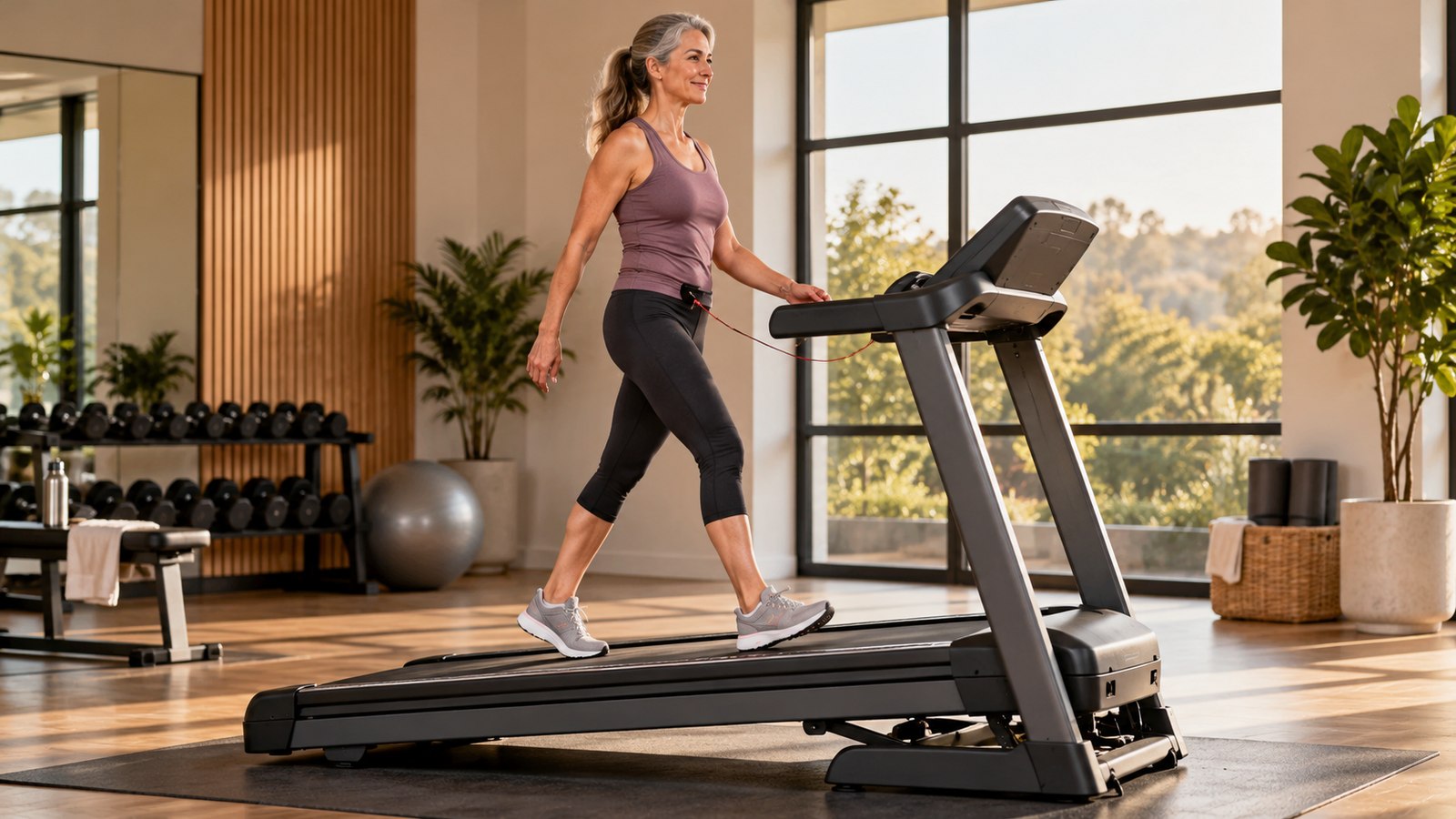
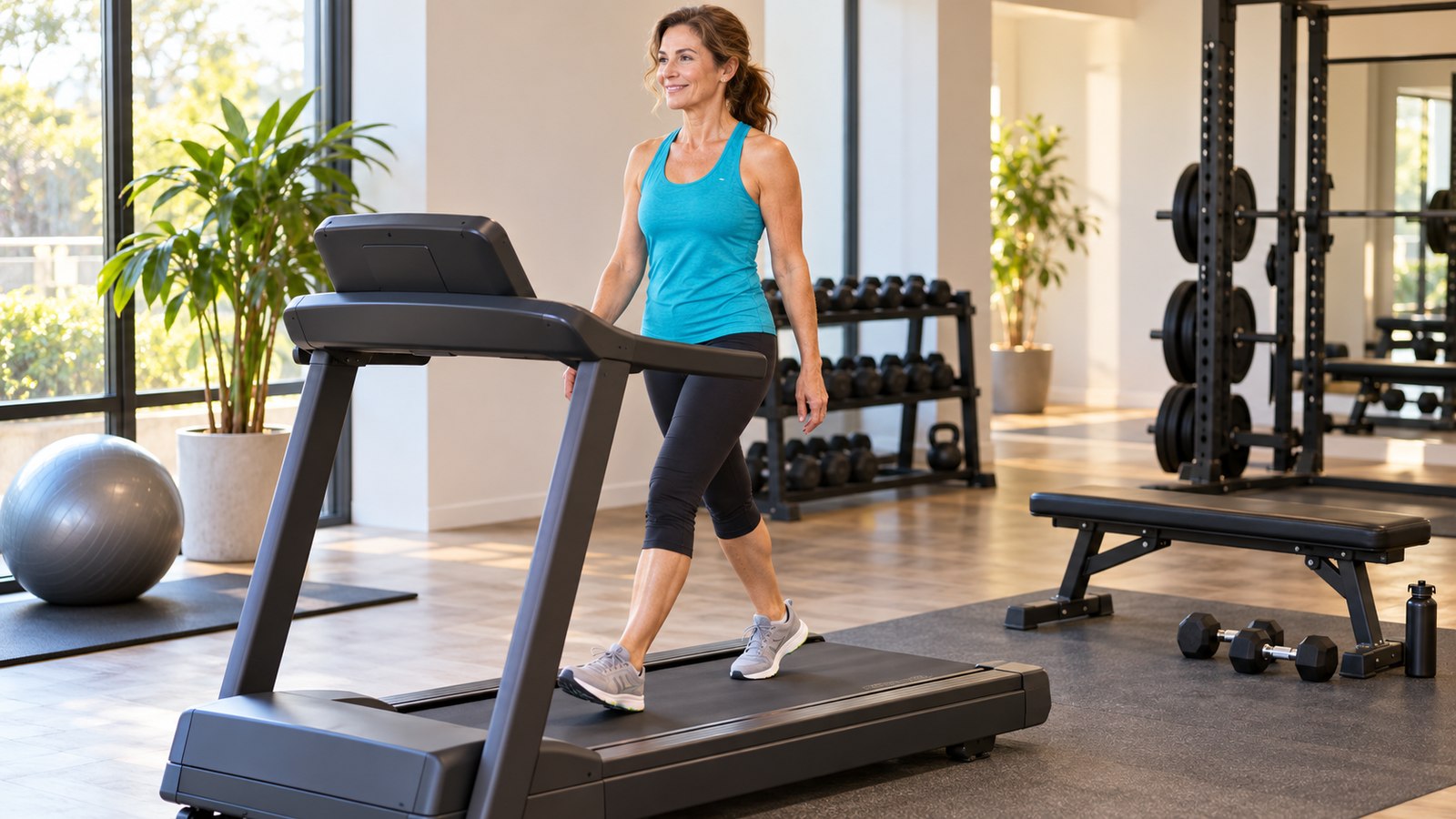
Zone 2 is easy cardio at around 70 percent of your maximum heart rate, and public health sources say that over time it can lower resting heart rate and improve cardiovascular health. You're in it when you can still talk in full sentences but it feels a little strained.
Easy cardio at a pace where you can still hold a conversation gives your heart steady work without adding another hard day to your week. So why is Zone 2 training important for a lifter over 40? Cleveland Clinic says research shows mild Zone 2 cardio brings real health and fitness benefits, and that “fitness gains don’t necessarily require grueling training.”
You don’t need a lab test to find it. A talk test and a heart-rate percentage get you close.
Red flags: Mayo Clinic Press gives one rule for exercise: “If it doesn’t feel good, don’t do it.” It adds that it is “never a bad idea to consult your healthcare team, especially if you have a history of any medical concerns.”
Zone 2 Is Steady Cardio You Can Still Talk Through
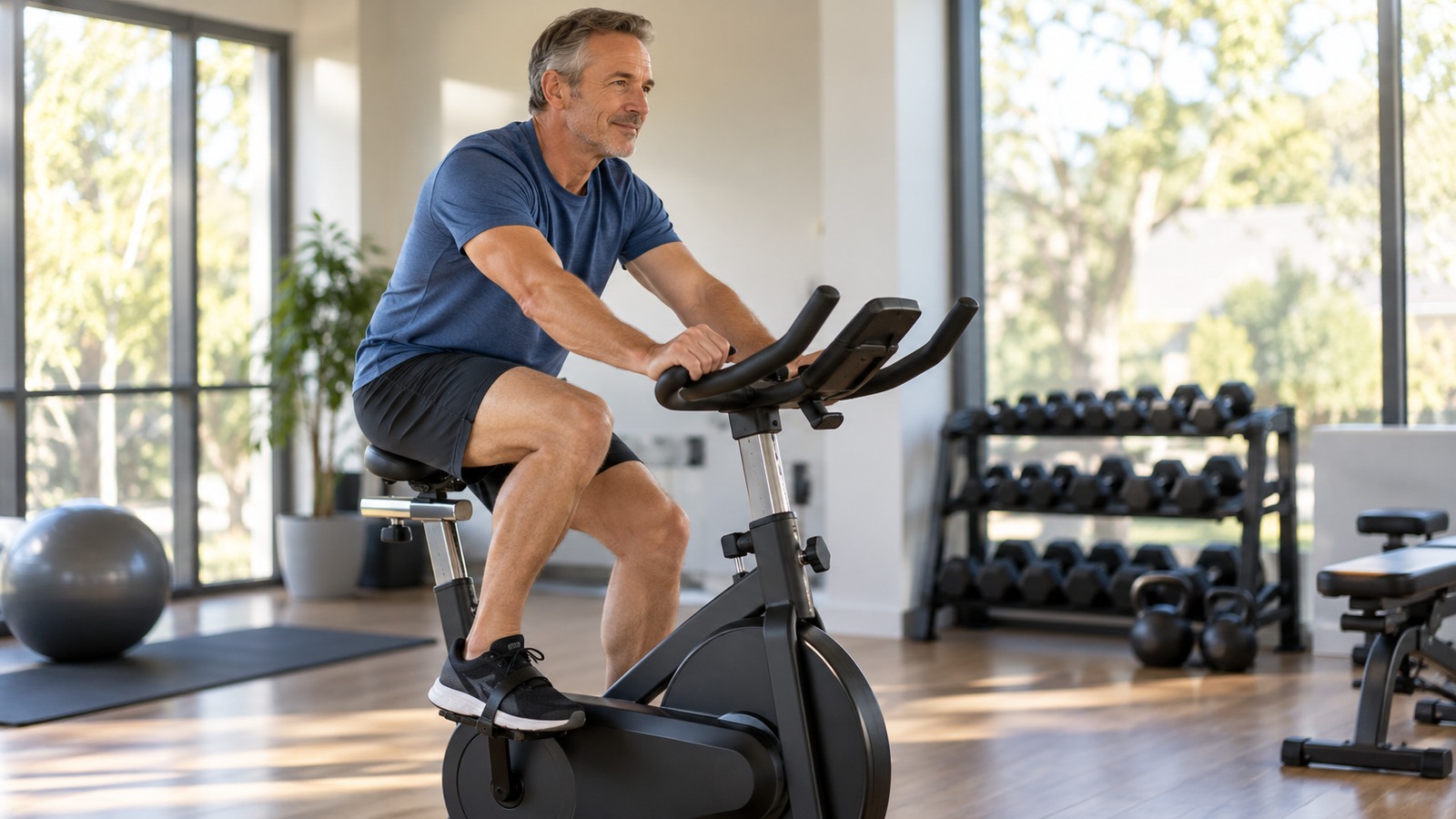
Zone 2 is the second step on a 1-to-5 heart-rate zone scale, which Cleveland Clinic says “reflects how hard your heart is working.” It’s steady cardio you can hold for a full session: brisk walking, easy cycling, a slow jog or relaxed rowing.
The first way to find it is the talk test. GQ puts it simply: “You should be able to talk, but it should be a little bit strained.” Full sentences still come out, just with some effort.
The second is heart rate. GQ puts Zone 2 at around 70 percent of maximum heart rate (the fastest your heart can beat) and says it “should be attainable for almost all people.” Your exact percentage varies, and the table further down shows by how much.
Why Zone 2 Training Is Important: A Lower Resting Heart Rate Over Time
During the session, Mayo Clinic Press says the body uses mainly fat for fuel in Zone 2. That describes the fuel mix while you move. It isn’t a promise about your body weight.
Over time, the benefits reach your heart. HPRC, the U.S. military’s Human Performance Resources site, says Zone 2 training can lower resting heart rate, improve cardiovascular health and reduce long-term health risks. Resting heart rate is also a number you can check at home to watch the trend.
Age adds a reason. Men’s Health says that with age your mitochondria, the parts of your cells that make the fuel for muscle contractions, become “sparse, damaged, and inefficient.” Sports scientist Kenneth Jay, Ph.D., says there: “Zone 2 cardio basically helps build your mitochondria.”
The Cleveland Clinic finding matters if you already lift: the effort is mild, so you can add cardio without adding another grinding session.
See also: Does Zone 2 Burn Fat After 40?
Zone 2 May Help You Recover Between Sets and Sleep Better
The case for lifters comes from two sources. Men’s Health says the cell-level changes from Zone 2 “can help you make gains in lifting, too, by aiding your recovery between sets.”
HPRC says military research shows that better aerobic endurance reduces fatigue and the risk of musculoskeletal injuries, those to muscles, bones and joints. A higher aerobic capacity also helps you “recover faster between bouts of physical exertion.”
Hard training can also cost you sleep. WHOOP, a maker of wearable fitness trackers, cites studies showing that REM (rapid eye movement) sleep “meaningfully decreases” during blocks of high-intensity training.
The same WHOOP article says Zone 2 may help sleep by improving recovery. That’s a possible benefit, not a promise, and it comes from a company that sells recovery trackers.
If your week already holds hard strength sessions, high-intensity cardio adds more of the training WHOOP links to lower REM sleep. Zone 2 adds cardio at a pace you can still talk through.
Three Sources Put Zone 2 at 60 to 70 Percent of Max Heart Rate
The sources differ on both markers, for two reasons. One is fitness: Men’s Health gives a lower figure for an untrained person than for a regular exerciser. The other is definition: Cleveland Clinic uses a share of max heart rate, while Mayo Clinic Press’s formula starts from heart rate reserve, which is your max minus your resting heart rate.
| Marker | Source | What it says | Who it fits | How it lines up |
|---|---|---|---|---|
| Talk test | GQ, TrainingPeaks, Mayo Clinic Press | GQ: “a little bit strained.” TrainingPeaks: full sentences, “not hard or strained.” Mayo: “3 to 5 words at a time,” but no singing | Anyone, with or without a monitor | The sources split on how strained talking should feel |
| 60-70% of max heart rate | Cleveland Clinic, Mayo Clinic Press, TrainingPeaks | The range all three give | General readers (Cleveland Clinic, Mayo); “most endurance athletes” (TrainingPeaks) | The figure three sources share |
| About 70% of max heart rate | GQ | “Attainable for almost all people” | Almost everyone, as a first estimate | The top of the 60-70% range |
| 60% of max heart rate | Men’s Health | Where an untrained person may reach Zone 2 | Untrained | 10 points below GQ’s figure |
| 70-80% of max heart rate | Men’s Health | Where a regular exerciser may reach Zone 2 | Exercises regularly | GQ’s 70% is the bottom of this range |
| Holding it all session | Mayo Clinic Press | Some people struggle to keep heart rate low enough for a whole session | Anyone whose heart rate creeps up | A warning, not a target: slow down when it drifts |
Worked example: take a 50-year-old with a resting heart rate of 60, the low end of the 60 to 100 beats per minute Mayo Clinic Press calls typical. Mayo’s simple equation gives a max heart rate of 220 − 50 = 170.
- Share of max, the 60-70% range: 170 × 0.6 = 102 and 170 × 0.7 = 119 beats per minute.
- Mayo Clinic Press’s reserve formula: 170 − 60 = 110; then 110 × 0.6 + 60 = 126 and 110 × 0.7 + 60 = 137 beats per minute.
Same person, two definitions: the reserve formula lands 18 to 24 beats higher. That gap is why the figures in the table don’t line up neatly.
If you’re new to cardio, Men’s Health’s figures suggest your zone may sit lower. If you already exercise regularly, they suggest it may sit higher. If you have no monitor, the talk test is the marker that needs no device.
Verdict: Zone 2 Is Worth Adding After 40 If You Can Keep It Slow
Verdict: Zone 2 is mild, steady cardio for a lifter who wants heart and recovery gains without another hard day.
The flaw, and its fix: Mayo Clinic Press names the main drawback: some people “struggle to keep their heart rates low enough to sustain Zone 2 levels throughout their entire exercise session.” The fix is to slow down, not stop. When talking turns into gasping, walk the hill, lower the bike’s resistance or drop from a jog to a brisk walk.
Strengths: HPRC says it can lower resting heart rate over time. Cleveland Clinic says the gains don’t require grueling effort, and GQ says almost everyone can reach it. If you’re used to pushing hard in the gym, the pace can feel too easy; that ease is the point of the zone.
Who should skip the monitor: if you don’t own one, Mayo Clinic Press calls the talk test “another effective method,” so you can start without buying anything.
Zone 2 Goes Around Your Lifting, Not in Place of It
TrainingPeaks, a training-plan platform for endurance athletes, says “the most effective training plans prioritize Zone 2.” That advice is written for endurance plans.
A simple week for a lifter over 40:
- Keep your strength sessions where they are; they stay the core of the week.
- Pick cardio you can keep steady: Cleveland Clinic says “any cardio activity can fall into zone 2 by adjusting your intensity level.”
- Start each Zone 2 session at a length you can finish while passing the talk test the whole way.
- Add time before you add speed.
- Once the same pace feels easier at the same talk-test level, move a little faster and stay in the zone.
Zone 2 doesn’t replace lifting, because keeping muscle after 40 is a separate job: see Can Sarcopenia Be Reversed After 40? If you’re deciding whether to buy a heart-rate monitor, first read how much Zone 2 cardio per week so you know what you would be tracking.
Next step: turn the percentages into beats per minute with Zone 2 cardio heart rate over 40.
Frequently Asked Questions
What Pace Counts as Zone 2 Walking or Running?
Cleveland Clinic says brisk walking usually means “covering a mile on flatter terrain in 15 to 20 minutes,” while a stroll stays in Zone 1. For running, it describes a pace “two to three minutes slower than what you would consider your ‘race pace.’”
What If My Heart Rate Goes a Few Beats Over?
Not much changes, per GQ. Stanford clinical exercise physiologist Jeff Christle told GQ the zones have “soft borders.” GQ adds: “There isn’t some kind of magic that happens if you’re a few beats above” the general 70 percent range.
Is Zone 2 Safer Than High-Intensity Intervals?
Generally, yes. Christle told GQ that Zone 2 is “generally safer and more sustainable than the high intensity interval training fad that preceded it.”
This article is general information from public health and fitness sources, not medical advice. If you have a history of medical concerns, check with your healthcare team before you start.
Sources
- https://www.hprc-online.org/physical-fitness/training-performance/whats-zone-2-training-and-why-does-it-matter
- https://health.clevelandclinic.org/zone-2-cardio
- https://www.gq.com/story/why-easy-zone-2-workouts-became-the-biggest-thing-in-fitness-2
- https://www.menshealth.com/fitness/a44289278/zone-2-training/
- https://mcpress.mayoclinic.org/nutrition-fitness/zone-2-cardio-what-is-it-and-why-is-it-trending-online/
- https://www.whoop.com/us/en/thelocker/why-zone-2-training-is-the-secret-to-unlocking-peak-performance/
- https://www.trainingpeaks.com/blog/zone-2-training-for-endurance-athletes/