Exercising for Longevity After 40: A Practical Walking-First Plan
Walk first and count lifting as part of it: an hour a day adds up to 420 moderate minutes a week, inside the 300-599 band that a 116,221-adult study linked to 26-31% lower all-cause mortality. Harder sessions helped most in people who were short on moderate minutes.

Start with your shoes, not a stopwatch. Exercising for longevity after 40 means daily walking first, lifting second, and harder sessions where the data links them to lower risk. That order is this plan’s choice, not a study finding.
A study summarized by the American Medical Association (AMA) linked more weekly minutes to lower death risk. People below the weekly minimum could gain more by adding a modest amount of either kind of exercise, moderate or vigorous.
In that study, more vigorous exercise was linked to lower mortality (the risk of dying) in people with under 150 moderate minutes a week. It was not linked to lower mortality in people already past 300 moderate minutes a week.
Red flag: if a session brings pain, stop rather than push through. Over-exercising can damage knees, hips and joints, particularly if you keep exercising when you feel pain, per the Blue Zones guidance.
A 116,221-Adult Study Links More Weekly Minutes to Lower Death Risk
The main evidence comes from two prospective U.S. cohorts covering 116,221 adults who reported their own leisure-time activity, per the AMA. Prospective means the researchers followed people forward over time. More weekly minutes went with lower death risk, as the table below shows.
That is a link across a large group. It is not proof that the minutes caused the drop, and not a promise for one person. What it can show is which weekly dose, meaning how many minutes you do, lines up with the biggest drops.
An Hour of Walking a Day Adds Up to 420 Minutes a Week
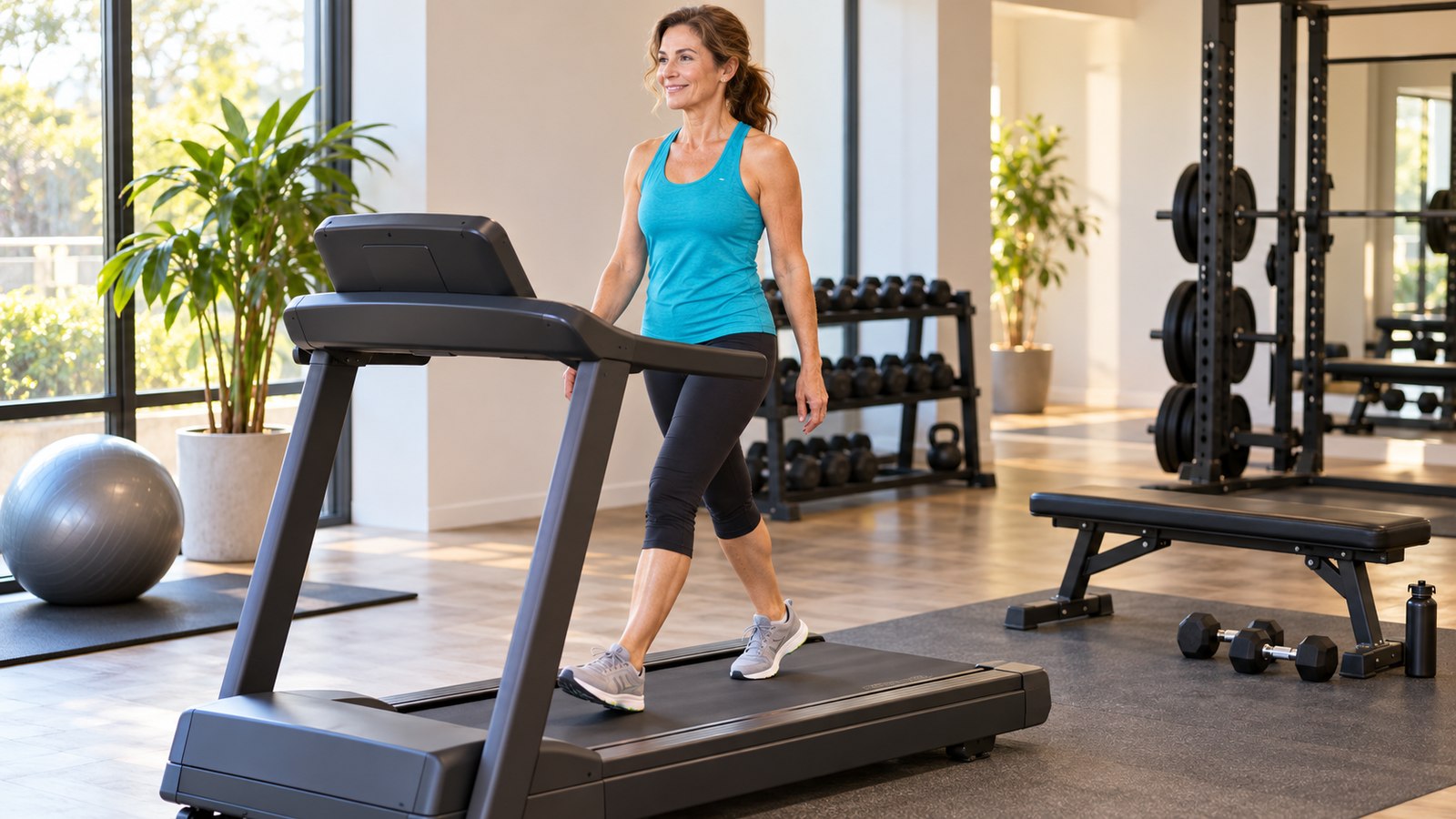
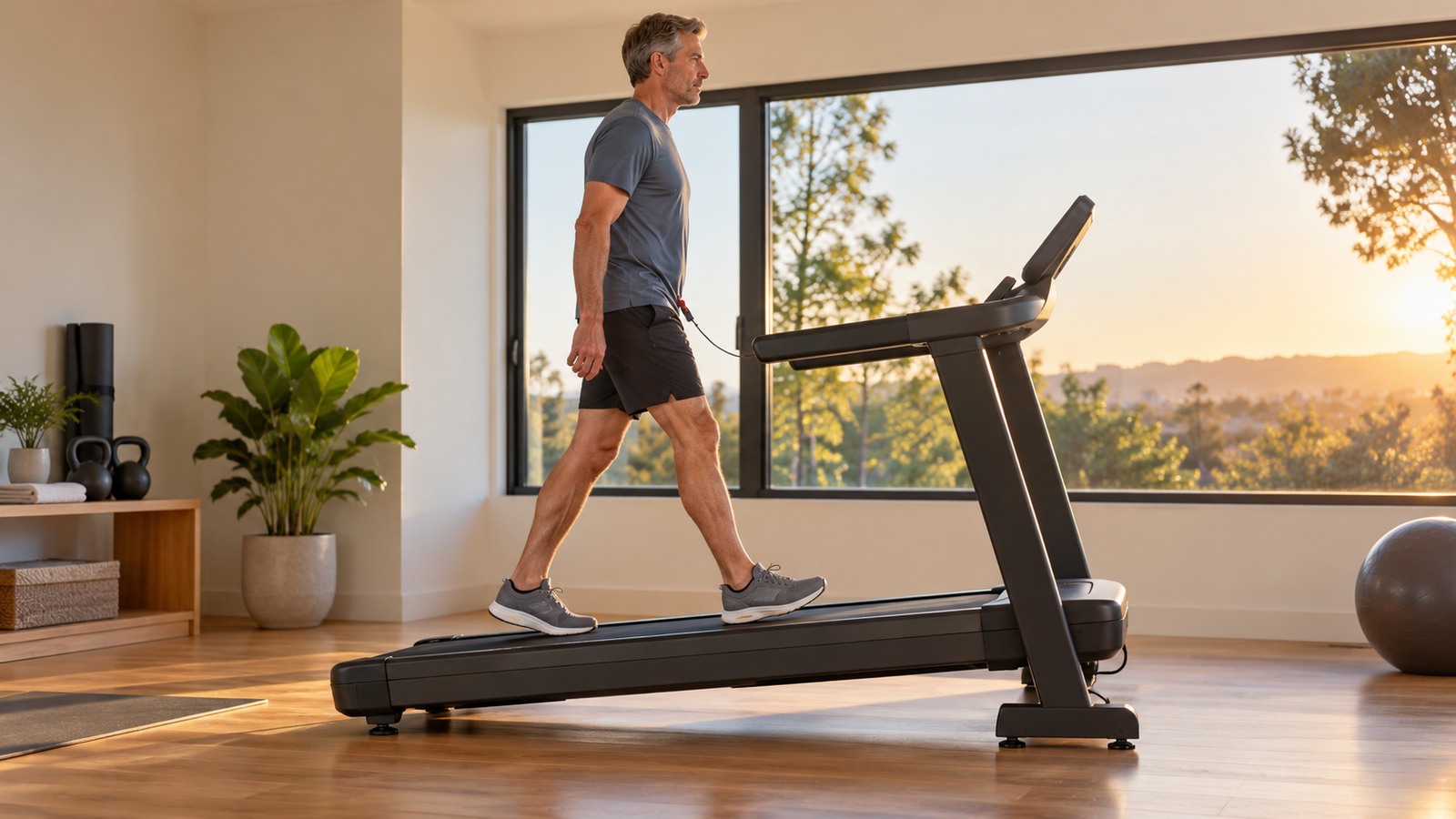
Blue Zones guidance sets a goal of walking for an hour a day. Do the maths: 60 minutes x 7 days is 420 minutes, or 7 hours a week. That is 2.8 times the 150-minute moderate minimum.
About 1 in 3 older adults AARP surveyed already do part of this. AARP reports that 32% of the older adults it surveyed do some brisk walking each day. If you’re not one of them yet, build up to the hour gradually from a walk you can finish comfortably.
Walk First: Hard Work Adds Little Once You Pass 300 Minutes
Here’s how the weekly bands compared, per the AMA summary of the study. Moderate covers walking, weightlifting and lower-intensity exercise. Vigorous covers running, bicycling and swimming.
| Weekly dose | Moderate min per week | Vigorous min per week | Lower death risk reported | Source |
|---|---|---|---|---|
| Guideline minimum | 150-300 | or 75-150 | 22-31% (cardiovascular deaths) | AMA |
| 2-4x the moderate minimum | 300-599 | — | 26-31% (all causes) | AMA |
| 2-4x the vigorous minimum | — | 150-299 | 21-23% (all causes) | AMA |
| Mix of moderate and vigorous | 150-600 | 75-300 | 35-42% (near the maximum) | AMA |
| Blue Zones walking goal | 420 | — | Sits in the 300-599 row | Blue Zones |
The maths: 60 minutes x 7 days = 420 moderate minutes a week from the Blue Zones hour-a-day goal, which is 120 minutes past the 300-minute line in the AMA-reported study.
If you walk an hour a day, you’re past the 300-minute line, where more vigorous work was no longer linked to lower mortality. If you’re under 150 moderate minutes, more vigorous work was linked to lower mortality.
Weightlifting Counts Toward Your Moderate Minutes
The study counted weightlifting as moderate activity, alongside walking, per the AMA. So this plan puts your lifting minutes in the same weekly moderate count. That grouping shows where the study filed lifting. It doesn’t show that a minute of lifting does the same job as a minute of walking.
The sources here give no sets or reps, so start with a weight you can move with control. Muscle loss with age has its own guide: can sarcopenia be reversed after 40.
A Mix of Moderate and Vigorous Work Showed the Biggest Drop
People who combined moderate and vigorous activity showed about 35-42% lower mortality, near the maximum reduction in the AMA-reported study. People at 150-299 vigorous minutes a week showed 21-23% lower all-cause mortality.
The figures group people differently: 26-31% groups them by moderate minutes, while 35-42% covers people with both moderate (150-600) and vigorous (75-300) weekly minutes. If you walk 420 minutes and do no vigorous work, the 26-31% row is your match. Among people already past 300 moderate minutes, more vigorous work was not linked to lower mortality.
Your Free Five-Step Weekly Plan After 40
This checklist turns the three sources into one week.
- Count this week first. Log moderate minutes (walking and weightlifting both count, per the AMA) separately from vigorous ones. If you’re under 150 moderate or 75 vigorous, the AMA summary says adding a modest amount of either kind could bring greater benefits.
- Walk toward an hour a day. The Blue Zones goal works out to 60 x 7 = 420 minutes a week. Build up to it gradually.
- Count lifting in the same total. The study filed weightlifting as moderate, so on a short-walk day a lifting session still adds moderate minutes.
- Add harder work if you’re under 150 moderate minutes. In that group, more vigorous work was linked to lower mortality; past 300 moderate minutes it was not. The AMA summary gives no result for 150-299 moderate minutes, and a mix of both showed the largest band.
- Make it daily. 32% of older adults AARP surveyed already walk briskly every day. A fixed daily time slot helps you join them, and an hour a day comes to 7 hours a week.
Progress by Adding Minutes, and Stop Before Your Joints Pay
Valter Longo, a gerontology professor at the University of Southern California and director of its Longevity Institute, sets a target in the Blue Zones guidance. He calls for working all your body parts with rigor, to the point of breathing rapidly or sweating, for 5 to 10 hours a week. He also warns that over-exercising can damage knees, hips and joints, particularly if you keep exercising when you feel pain.
If you’re below the weekly minimum, the AMA summary says adding modest amounts could bring greater benefits: 150 to 300 moderate or 75 to 150 vigorous minutes a week. If a joint hurts after a bigger week, hold your minutes rather than push through the pain.
The Verdict: Walk an Hour, Lift, and Go Harder Only If You’re Short on Minutes
Verdict: a walking-first week with lifting included reaches the study’s 300-599 moderate band with no equipment. It fits best if you’re starting below the weekly minimum, where the AMA summary says modest additions could bring greater benefits.
The flaw: the 116,221 adults reported their own leisure-time activity, and self-reports can be off. The study is observational, so it shows a link, not proof that the minutes caused the drop. Fix: use the bands as a guide to weekly dose, not a promise of extra years. Logging your own minutes makes your count more accurate, but it can’t change what the study can prove.
Strengths: a large sample, clear minute bands, and a walking base that needs no equipment.
Who should skip: if you already log more than 300 moderate minutes, you’re past this plan’s target, and in the study more vigorous work wasn’t linked to lower mortality at that level. If walking hurts, don’t push through: talk with your doctor about which activity to start with.
Next step: to tell moderate from vigorous effort mid-session, read is 20 minutes of cardio enough and how the talk test works.
Questions Adults Over 40 Ask About Exercise for Longevity
Is Walking Enough on Its Own?
It can cover the moderate target. An hour a day lands in the 300-599 band that the AMA-reported study linked to 26-31% lower all-cause mortality.
Do I Need Vigorous Exercise After 40?
The study shows links, not needs. Among people past 300 moderate minutes a week, more vigorous work was not linked to lower mortality; among people under 150, it was. The AMA summary gives no result for the range between.
How Much Exercise Is Too Much?
Longo ties his warning to pain. His target is 5 to 10 hours a week of work done with rigor, and he warns that over-exercising can damage knees, hips and joints, particularly if you keep exercising when you feel pain, per Blue Zones.
When to Check With a Clinician
If you haven’t been active, or you plan to step up your activity, talk with your doctor first. Based on your current health, they may suggest which type of activity to start with and how much. If pain keeps coming back after walks or lifting, don’t train through it; book a check.
This article shares general information from public health sources and is not medical advice.